Beyond the Caffeine Fix
When coffee isn't enough

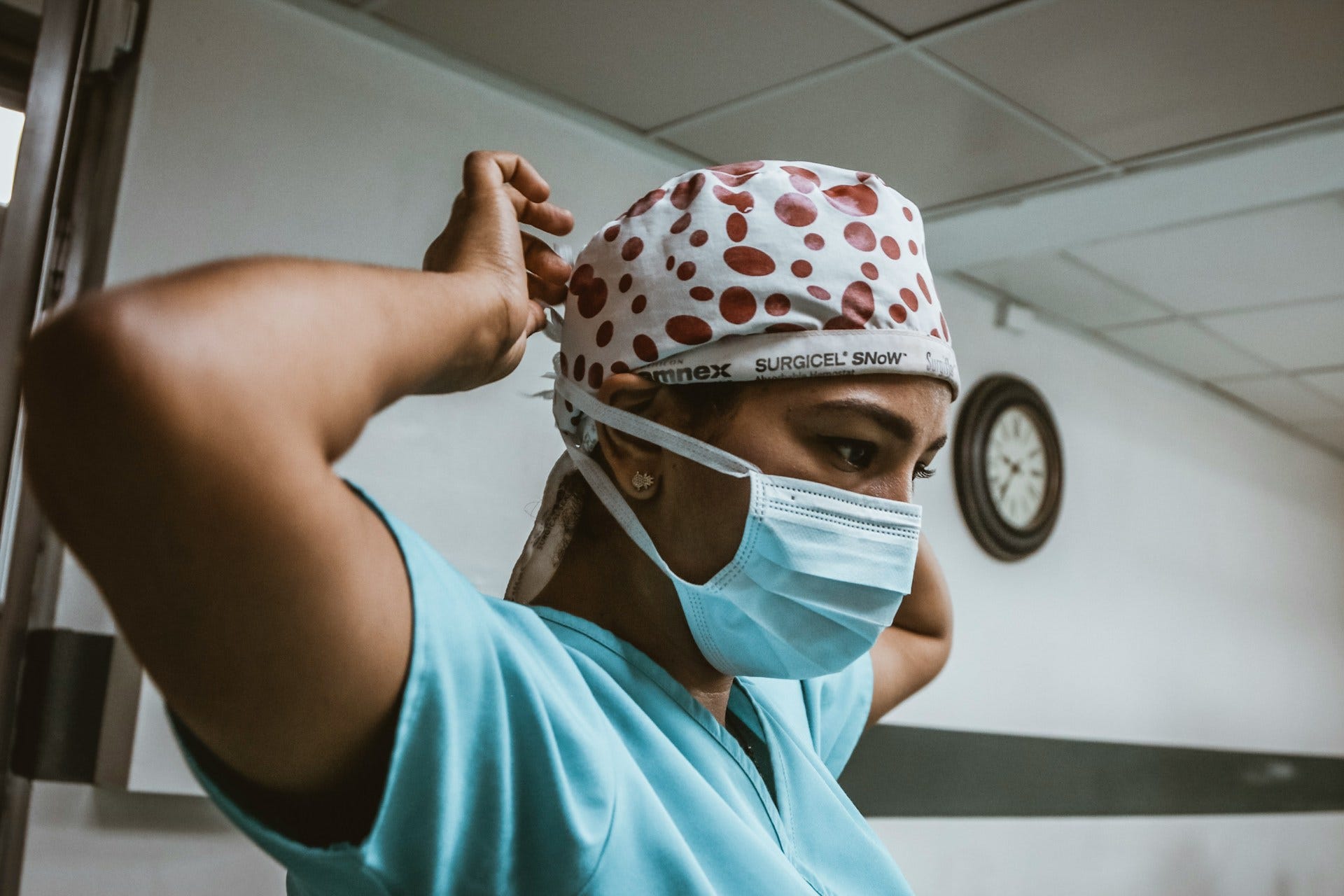
Long shifts, poor sleep and constant demands leave many healthcare workers searching for ways to restore energy and stay focused without burning out.
Even healthcare professionals can find themselves running on empty. After an illness left her unusually fatigued, Dr. Stephanie Eloisa D. Miaco, a psychiatrist, began thinking about the many ways healthcare workers try to regain momentum when exhaustion takes hold.
“I was in a very demotivated, tired state, coupled with personal illnesses,” Miaco said. “It made me extremely lethargic, that even if I wanted to, I could not get enough physical energy to do something.”
That experience led her to consider the different ways people seek a boost. One path comes from chemical stimulants such as coffee. Another comes from movement, routines and habits that help restore focus and motivation. The distinction matters because while one may provide a quick lift, the other may help build resilience over the long term.
The challenge is widespread. An American Medical Association report found that 43.2 percent of physicians reported at least one symptom of burnout in 2024, a reminder of the physical and emotional toll that chronic stress and demanding schedules can take on healthcare professionals.
The Lure of a Quick Boost
For many healthcare workers, the first line of defense against fatigue comes in a cup.
“My favorite is coffee from UCC,” Miaco said. “Even the sachets are very good for me, I love their taste, and they are a quick fix.”
She also enjoys a matcha espresso drink.
“Matcha balances out the coffee effect, so you don’t have a spike, and correspondingly crash,” she said.
Dr. Helen Madamba, an OB-GYN and infectious disease specialist, also starts her day with coffee, though for her it is part of a larger morning ritual.
“I am a coffee drinker too, black coffee first thing in the morning to enjoy the mountain view from my balcony,” Madamba said.
Coffee remains the world’s most widely used stimulant because it works. By blocking adenosine receptors in the brain, caffeine helps ward off drowsiness and improve alertness. For healthcare workers facing long shifts, demanding patients and interrupted sleep, that boost can feel indispensable.
Miaco recalled that people often search for energy in unexpected places. During residency, one of her co-residents relied on a dissolvable vitamin C supplement.
“He swore it kept him sharp and focused for the workday,” she said.
Yet Miaco cautioned that stimulants can only do so much.
“The ‘slump’ in healthcare — often a cocktail of emotional exhaustion and cognitive fatigue — is more than a lack of willpower,” she said. “It is a physiological and psychological depletion.”
She noted that psychiatry literature has explored the use of medications such as modafinil and methylphenidate in high-stakes environments. While such drugs may improve vigilance and executive function in the short term, they do not solve the underlying causes of fatigue.
“Chemical aids should be viewed as temporary bridges, not permanent structural supports,” she said.
More Than a Caffeine Rush
Not every stimulant comes from a mug or a medicine cabinet.
“In the mornings, personally, I like to water my plants,” Miaco said. “It always gives me an energy boost to see green things, and to feel the ‘life’ of things growing.”
The task offers more than a mental reset.
“I always think the lifting of the bucket … as a weight training activity,” she said.
Physical activity triggers a cascade of physiological responses, including the release of dopamine and norepinephrine, chemicals associated with attention, motivation and mood. It might also provide benefits that extend beyond the immediate burst of energy.
“Regular physical activity with weights, and foot pounding when you climb the stairs, makes for stronger bones, and increases BDNF, Brain Derived Neurotrophic Factor, which helps in neuroplasticity, and the survival, growth and maintenance of neurons,” Miaco said.
Research has linked regular physical activity to lower stress levels, improved mood and better cognitive function, lending support to the idea that movement can be as valuable as any stimulant.
Madamba has built energy-preserving habits into her daily routine.
“I chose to live in a condo across the hospital so that I am more accessible and I won’t have to deal with traffic,” she said.
Her mornings begin by reviewing referrals from the previous night and checking the day’s schedule before work. The routine creates structure without the stress of a difficult commute.
Miaco learned another lesson about movement after a day packed with meetings.
“I had a full day of work, with back-to-back meetings,” she said. “I thought I wouldn’t have energy for a pickleball training session at the end of the day.”
Instead, the activity energized her.
“I attended that … had a lot of fun, and ended up not sleeping until 4 in the morning.”
The experience highlighted a paradox familiar to many active people: energy often grows with use.
Building Energy That Lasts
Quick boosts have their place, but both physicians emphasized that sustainable energy depends on recovery.
When asked what best restores energy, Miaco’s answer was immediate.
“For the nights of great sleep, I think it is an unbeatable thing,” she said.
Madamba agreed, though she acknowledged that quality sleep can be difficult to achieve.
“Sometimes I need to medicate to get to sleep,” she said. “Insomnia is one of the complications of menopause that I had to deal with, erratic sleep patterns but yeah, sufficient adequate sleep affects energy levels.”
Sleep is more than a comfort. Research has found that after 17 to 19 hours without sleep, cognitive performance can resemble or exceed the impairment associated with a blood alcohol concentration of 0.05 percent, highlighting the importance of rest for judgment, concentration and decision-making.
Recovery also extends beyond sleep.
“Most people nowadays rely on an emotional animal like fur babies, dogs and cats,” Madamba said. “I think support groups would help with stress debriefing so that we can move on to the next challenge.”
Support systems, meaningful relationships and opportunities to decompress can help healthcare workers process stress before it accumulates into something more damaging.
Madamba views exercise, sleep and stress management as interconnected pieces of the same puzzle.
“Regular exercise regimen also balances well with adequate sleep and reduced stress levels,” she said. “It’s just a matter of time management.”
For Miaco, the goal is not merely staying awake through another demanding day.
“The goal is to move from ‘loaned energy’ to ‘sustainable vitality,’” she said.
Coffee can help start a shift. Exercise can sharpen focus. A favorite routine can provide comfort and motivation. Yet lasting resilience comes from habits that replenish energy rather than merely postpone exhaustion.
Borrowed energy gets people through a shift. Sustainable vitality gets them through a career.
I'm shocked how little companies actually stress burnout and prevention.
It's very common in tech industries " burnout" or "work Fatigue".
Thanks for sharing and keep writing 💫
Just highlighting this part
Coffee can help start a shift. Exercise can sharpen focus. A favorite routine can provide comfort and motivation. Yet lasting resilience comes from habits that replenish energy rather than merely postpone exhaustion.