Doctors Struggle to Let Go as Caregivers
Attending to loved ones tests trust, humility and control

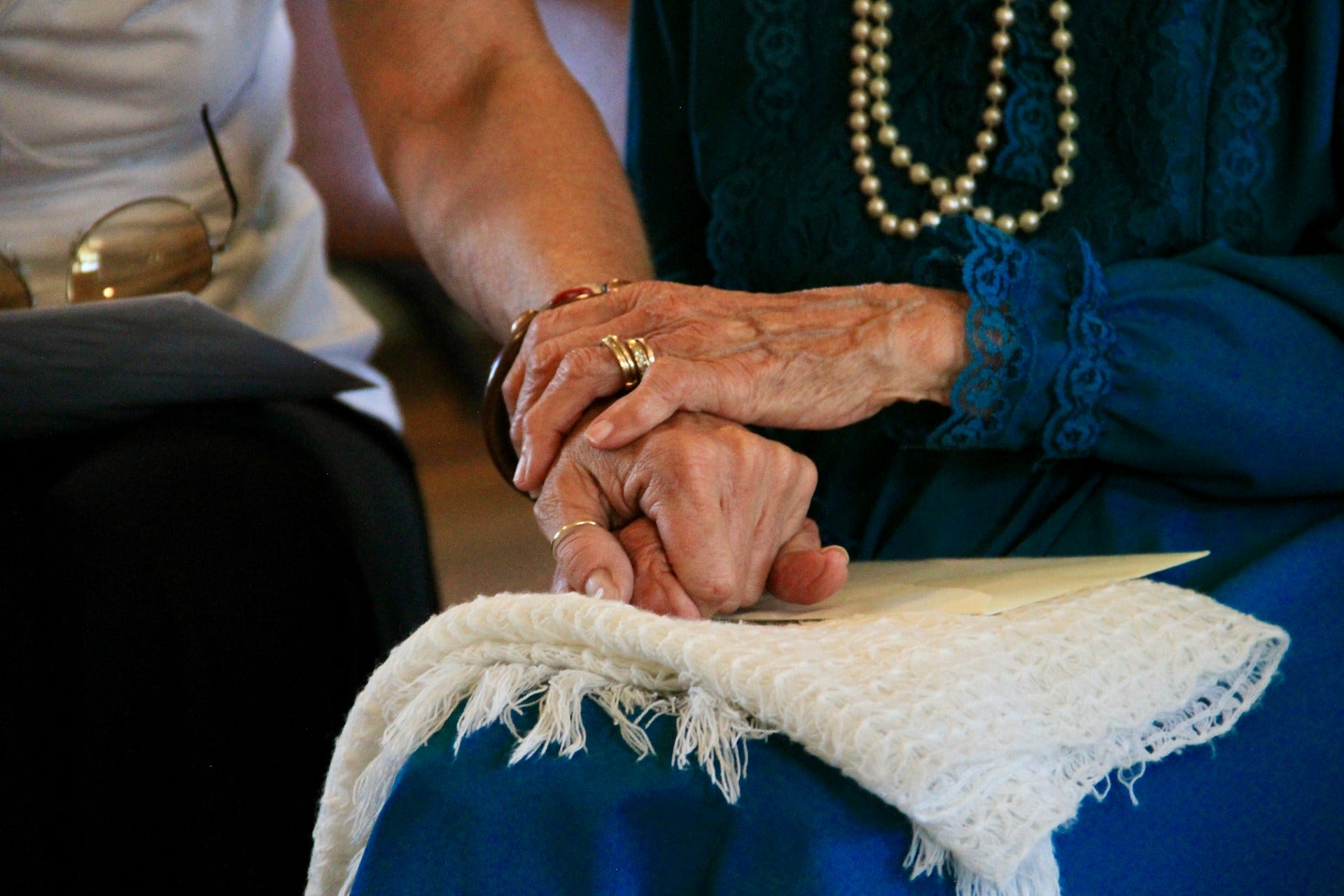
When healthcare workers find themselves in the back seat — as caregivers, not clinicians — the shift can feel disorienting, humbling and deeply personal.
Used to taking the lead in medical decisions, those doing the dispensing must learn to trust others and navigate vulnerability from a different seat.
Such role reversals are more common than many realize. A 2020 Journal of General Internal Medicine study found that more than 40 percent of physicians have served as informal caregivers. Yet even with medical expertise, the emotional toll remains high — and boundaries blur quickly.
Prescription for Uncontrolled Feelings
Physicians and healthcare professionals who become caregivers for their own family face the unique challenge of stepping back while still supporting care. Balancing empathy, humility and trust becomes essential.
Dr. Stephanie Miaco, Dr. Remo Aguilar and Dr. Helen Madamba have each doubled as family caregivers — inspiring one at a young age to pursue medicine, and in a couple of cases restricting careers to help loved ones in need.
“When Mom got sickly and frequently hospitalized during and after the pandemic, I had to be both a caregiver and a caregiver manager to organize teams of caregiver family members,” said Aguilar, an orthopedic surgeon.
“When I’m the actual caregiver, it is very difficult for me and my mom, emotionally,” he said. “I get teary eyed whenever I see her in pain. She hated me for that because to her, I’m supposedly the stoic, commanding and stern ‘her surgeon’ she always depends on during crises.”
Take Turns to Manage
He is not comfortable with taking a back seat.
“Caregivers have frontline roles,” Aguilar said. “That’s why it’s never easy for me, but I’m very thankful that my family is always there to rotate caregiving roles for our matriarch.
“We become more of a connector, a manager, taking a back seat on the actual management but making sure Mom has access to medical personnel and institutions,” he said.
He prefers being a translator who bridges the gap between provider and patient.
“One benefit of the long years of caring for our mom is that I built a trusted relationship with colleagues in the medical profession,” Aguilar said. “When they take care of my mom, I usually assume the role of the ‘explainer’ to the family facing audience.
“Caregiving is very difficult, but I have to ‘train’ my other family members to share the burden of decision-making, accountability and responsibilities,” he said. “There are real limitations to what we can do as medical personnel, too.”
Doctor coaching has the appeal of quinine
Giving care is not limited to an adult tending to elderly parents.
“I was the caregiver of my father in his last month of life at home,” Madamba said. “It was the first time I went on ‘duty,’ rubbing his back in the long hours of the night. He was not feeling well, and I felt hopeless. That was the time I decided to become a doctor.
“Later, I was the ‘significant other’ of my Grandmother Sising, my Auntie Nina, my Uncle Tony and my Uncle Juju when they were admitted,” she said. “I trusted their doctors and did not interfere with their clinical judgment. After all, I’m an OB-GYN, and most of their admissions were under internal medicine.”
Career Comes Second
As caregiver and designated family contact, Madamba would sign most informed consents and facilitate what needed to be done. Having to be “on call” is why she decided to stay in her Philippine province of Cebu despite opportunities elsewhere.
That has given her a different perspective on what it means to be in the back seat.
“When we are our family members’ caregivers, we need to stop being their doctors,” Madamba said. “We allow their attending physicians to take over the clinical management of our loved ones, trusting that they will take care of our family.
“Sometimes it is very difficult to let go of control, but at times this becomes liberating as well,” she said. “We’re free of the responsibility of taking charge, and just offer to mediate and make sure our family understands what the healthcare team wants to communicate.”
Mentors are just what the doctor ordered
For highly trained physicians, stepping back does not come easy.
“Humility is recognizing one’s limitations and asking for help,” Madamba said. “It requires letting go of pride and acknowledging that one cannot do everything alone. We become vulnerable and trust in our doctors. When we are sick, we cease being doctors. We become vulnerable patients.
“When residents refer patients to me, I trust their clinical judgment,” she said. “They are the ones in front of the patient. It should be the same with healthcare workers from other countries. The situation is never the same. We make clinical decisions based on the data available at the time.”
Unhelpful Opinions
This is crucial because, as Madamba added, there will always be those who comment from the outside or after the fact.
“Don’t mind them because hindsight is always 20/20,” she said.
Then add the complication of patients seeing Facebook videos promoting so-called cures doctors won’t tell you.
“It is definitely a difficult role — especially if you are in the back seat of the care — one can’t do anything more,” said Miaco, a psychiatrist.
“One of the biggest changes you can encounter is the loss of assertive abilities and control,” she said. “As much as I wanted to help and talk about the situation to get more support, eventually it was not my choice to make how things went.”
Doctors Prescribe Apps for Patient Connections
Caregiver push-back is not limited to patients.
“For many doctors, we are respectful and trusting, but healthcare workers from other countries or other situations are tempted to compare medical treatments,” Miaco said.
Caught in the middle, caregivers navigate difficult terrain.
“I trust the doctor to do his or her management, fully aware,” Aguilar said. “I might just be biased and micromanaging.
“I ask questions for clarification,” he said. “If it touches my specialty — if I feel strongly about it — I would ask, ‘Can we do it this way?’ Ultimately, though, I let the primary doctor decide.”
Always Be Talking
Caregivers should always be sensitive to “going it alone” when deciding on treatment.
“The best is for the family to have a discussion with the healthcare team to reach a shared decision,” Madamba said. “Consider all possible options with the consequences, risks and benefits of each plan of management.
“Ultimately, the decision has to be reached by the patient and the attending physician,” she said.
Keep Learning Alive in Healthcare
Even experienced caregivers must admit they don’t have all the answers.
“I am very open to learning more from the team,” Miaco said. “Then I will ask a lot of questions.
“Being available for talks and respectful to the specialists handling your case or your relative’s case makes things flow smoothly,” she said. “What you’ve researched will help, but it will definitely not help to antagonize people.”
Everyone has to speak on the same level of understanding. Medical jargon is not only a turnoff to those not in the know, but implies secrets patients are better off unaware. It undermines trust.
“As a healthcare worker, I am very aware of this, as I aim to educate, not impress,” Miaco said.
“I also try to put myself in the patient’s shoes,” she said. “How do I want something explained to me if I were afraid, alone and anxious, not knowing anything about what is happening?”
Respect Builds Trust
In Madamba’s view, for better connection and communication, both the healthcare team and the patient and family have critical needs:
Transparency
Accountability
Respect
Trust
“Sometimes even among our colleagues we have our disagreements and differences,” Madamba said. “We should make sure that the voice of the patient is heard when discussing treatment options. There should be respect and trust.
“The pressure is real,” she said. “The more involved the doctor-family member is, the more toxic the patients usually become.”
Bounce Back From Adversity
Release the pressure by remembering who the doctors and caregivers are there to serve.
“Have complete trust in the healthcare team,” Aguilar said. “I stay off the medical management team but make sure all resources are available. Ask questions and discuss openly, but be empathetic toward the team, too.
“A benefit of being a medical person and caregiver is that you get to translate and clarify for your patient,” he said.
Caregivers take a back seat to no one when a life hangs in the balance.
Beautifully written!